

Shape Shifting
A Behavioural and Cultural Reflection on Adaptability

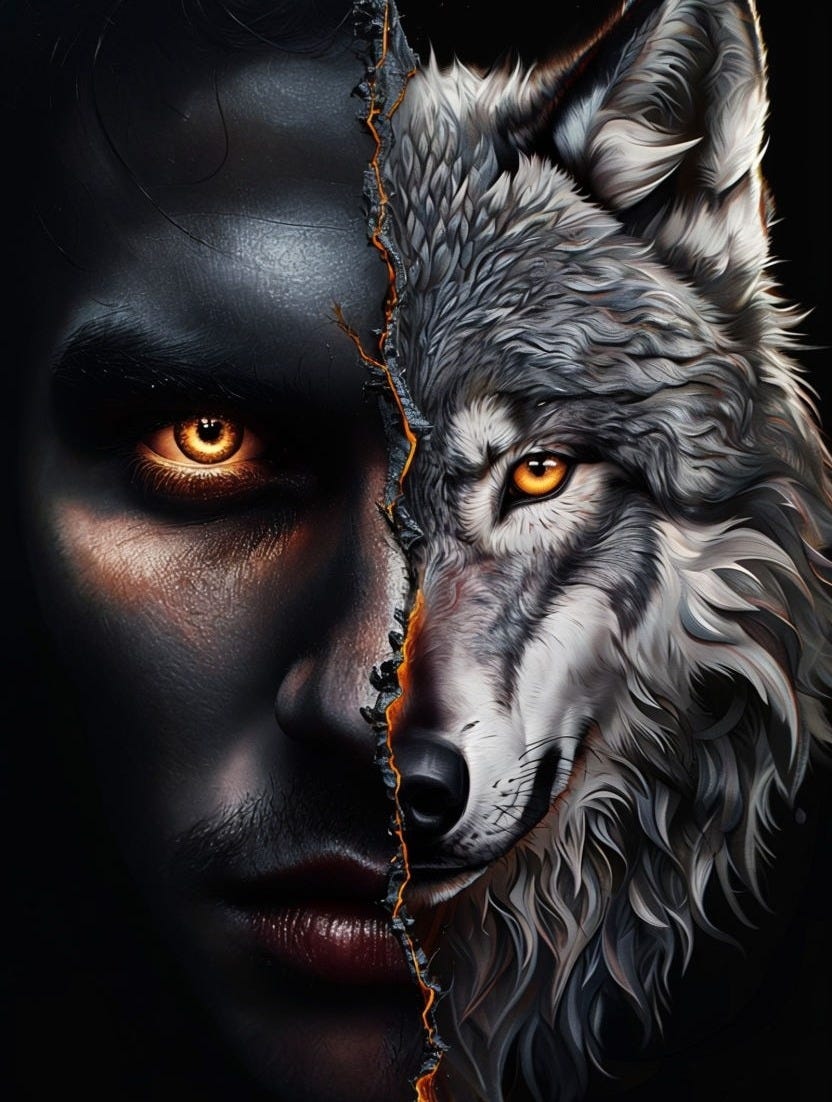
I’ve been trying to examine and give deeper meaning to the concept of shape-shifting because I believe that human beings are the greatest shape-shifters God ever created.
Many people think of shape-shifting only as a concept found in folklore, mythology, or fiction, the ability of a being to transform into another form or creature. In fact, nearly every culture in the world has some version of this myth, and almost every animal, common or rare, has been associated with it at some point.
In a short paper from the University of Texas at Austin, the writer describes shape-shifting as “the ability of an entity to transform into another being... It is present in the oldest forms of totemism and shamanism, as well as in the earliest literature and epic poems, including the Epic of Gilgamesh and the Iliad, where the shapeshifting is often induced by a deity.”
Across cultures, we encounter various tales about shape-shifting:
The Yoruba stories of humans turning into birds, believed to be witches or wizards;
The Indian Naga serpent legends;
The British tale of Jack the Giant Slayer;
The Chinese Huli Jing, the fox spirit;
and Japanese folklore with its ōbake or kitsune, the mystical fox that changes form.
Even the Bible has echoes of shape-shifting imagery. In Daniel 4:25–35, King Nebuchadnezzar is transformed into a beast for seven years a punishment for pride and disobedience. After living like an ox in the wilderness, his sanity is restored, and he glorifies God.
However, we must distinguish between metamorphosis and shape-shifting.
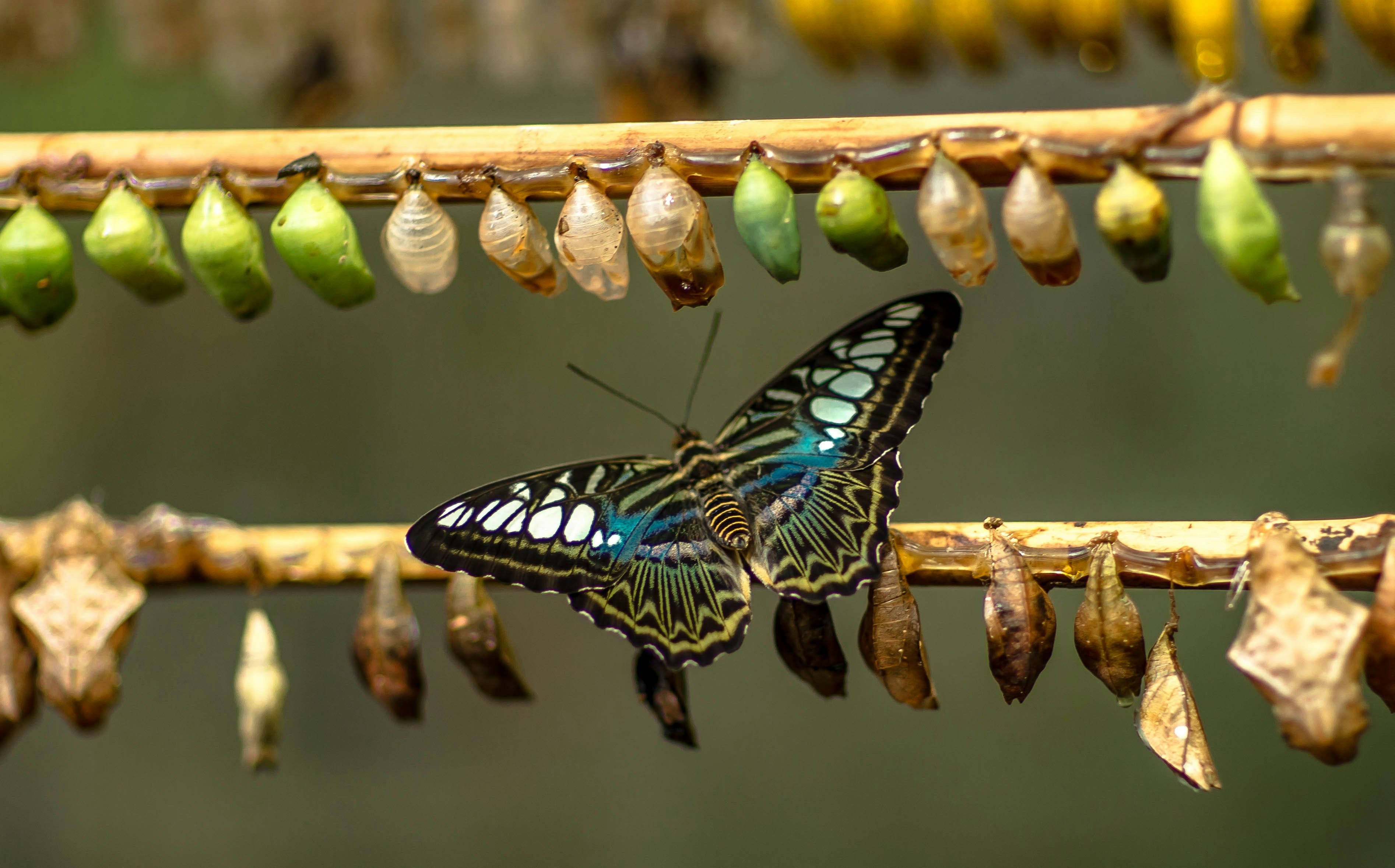
Metamorphosis is a biological process, a natural transformation, such as a caterpillar turning into a butterfly or a tadpole becoming a frog.
Shape-shifting, on the other hand, is a psychological or supernatural transformation, the ability to alter one’s physical form, identity, or nature, often through divine or mysterious influence.
This leads me to wonder:
When Franz Kafka wrote The Metamorphosis, where Gregor Samsa wakes to find himself transformed into an insect, was he describing metamorphosis or something closer to human shape-shifting?
Perhaps both.
The Human Dimension
I believe human beings are the greatest shape-shifters ever created, not physically, but psychologically, socially, and emotionally.
Humans adapt. We change form in the face of survival, pressure, or pain.
We shape-shift to fit into jobs we hate, relationships we’ve outgrown, and societies that expect perfection. We can adjust to almost any environment, even when pushed to the wall.
Sometimes, this transformation is conditioned.
For example, a lazy child can become hardworking if conditioned through encouragement or reward. The same person we once saw as unmotivated can emerge as someone entirely different, an evolved version shaped by circumstance.
Shape-shifting, then, isn’t just about myths or divine magic. It’s about how humans transform to survive, to belong, to please, or to protect themselves.
We shape-shift socially, sexually, psychologically, emotionally, economically, and even educationally. Yet, beneath every adaptation, our core self remains the unshifting essence that endures beneath every mask we wear.
Perhaps, after all, the greatest act of shape-shifting isn’t turning into another creature, it’s becoming someone new while trying to remain who we truly are.
If my stories resonate with you, consider supporting my writing journey at
https://ko-fi.com/psychwords_911 and share them with families and friends.
Every bit of engagement helps me keep sharing these reflections.
Till we see again
I remain Psychwords with a bit of psycho
Xoxo,
Yours truly,
Psychwords